
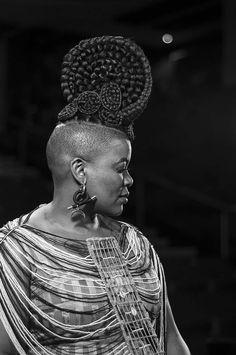
Hair styles have evolved significantly throughout history, reflecting cultural, societal, and fashion trends. Ancient civilizations used various adornments, braids, and natural elements to style their hair. In ancient Egypt, wigs were popular among both men and women. Ancient Greeks often sported elaborate hairstyles adorned with jewellery and accessories. The Roman Empire saw styles ranging from simple to intricate, with wigs and hairpieces commonly used.
During the Middle Ages, Christian modesty led to more covered hairdos. Renaissance Europe saw a return to more ornate and intricate styles. The 18th century in Europe brought powdered wigs and elaborate updos. The 1920s marked a major shift with the “flapper” style, characterized by short bobs and finger waves. The mid-20th century saw the rise of iconic looks like the beehive and the bouffant.
In more recent decades, hairstyles became more diverse and expressive. The 1970s embraced natural and free-flowing hair, while the 1980s featured bold and voluminous styles. The 1990s brought grunge-inspired looks, and the 2000s saw a mix of sleek and messy styles. Today, there’s a wide variety of hair trends, with influences from pop culture, celebrities, and individual self-expression shaping the choices people make about their hair.
Remember, these are just brief snapshots of a rich and complex history of hair styles. What era of style that interest you in particular? For me I still like a hairstyle with no air.